The Case for Slow Travel — Why Seeing Less Means Experiencing More
In an age of 10-cities-in-7-days itineraries, a growing movement of travellers is pushing back — choosing depth over breadth, and neighbourhoods over highlights.
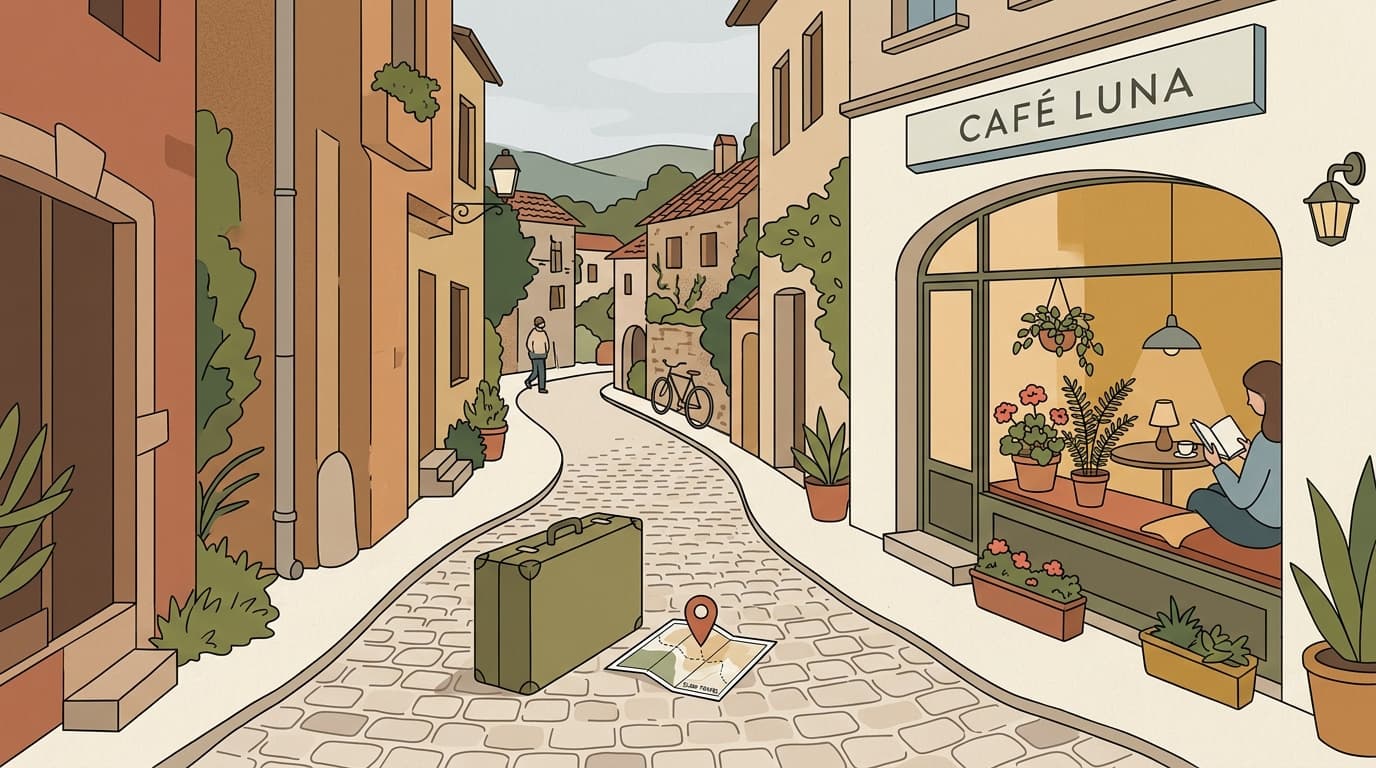
There is a specific kind of exhaustion that comes from a certain type of holiday. You return home having ticked off four countries, twelve museums, and nineteen restaurant recommendations from a travel influencer. Your camera roll is full. Your body is wrecked. And somewhere between the third airport of the trip, you stopped enjoying yourself and started just completing it.
This is the shadow side of modern travel culture: the idea that more is always better, that a holiday's success is measured by how many places you visited rather than how deeply you engaged with any of them.
Slow travel is the counterproposal.
What slow travel actually means
Slow travel is not a single, codified philosophy. It is more of a disposition — a preference for depth over breadth. In practice, it usually means staying in one place for a week or more, living in a neighbourhood rather than a hotel district, and allowing room for the unplanned.